
Coverage & impact
Coverage & Impact
Twenty years of writing the industry argued with, taught from, and built on. This page connects the dots: where the essays landed — in the press, on university syllabi, in the reply essays they provoked, and in the tools and reading lists that grew out of them. The deep version of each story lives on its catalog page; this is the map.
In their words
A few of the people who argued with, taught from, or built on the work — each line links to where it was written.
“One of the best preparation materials, at the time, for the Google software engineering interview” — and notable for being “surprisingly candid” coming from a sitting Google engineer.
“The best case I’ve read for the programmer-mathematician.”
“Many items are from Steve Yegge’s ‘Get that job at Google’ — and are reflected sometimes word-for-word in Google’s coaching notes.”
The arguments that stuck: culture & AI
AI transformation is a cultural problem, not a technical one. These are the pieces that have been shaping how engineering organizations argue about their own culture — some for fifteen years, some this year.
Stevey’s Platforms Rant

2011 — Written inside Google about service-oriented architecture and the 2002 Bezos “everything is a platform” mandate, it leaked by accident and ran through the tech press for weeks, then the business press for months. It remains the primary public account of the Bezos memo — and a decade on, it’s assigned as required reading in university distributed-systems courses.
- Forbes Oct 2011
- CNN Business Oct 2011
- The Register Oct 2011
- UW CSE 452 — required reading ongoing
Code’s Worst Enemy
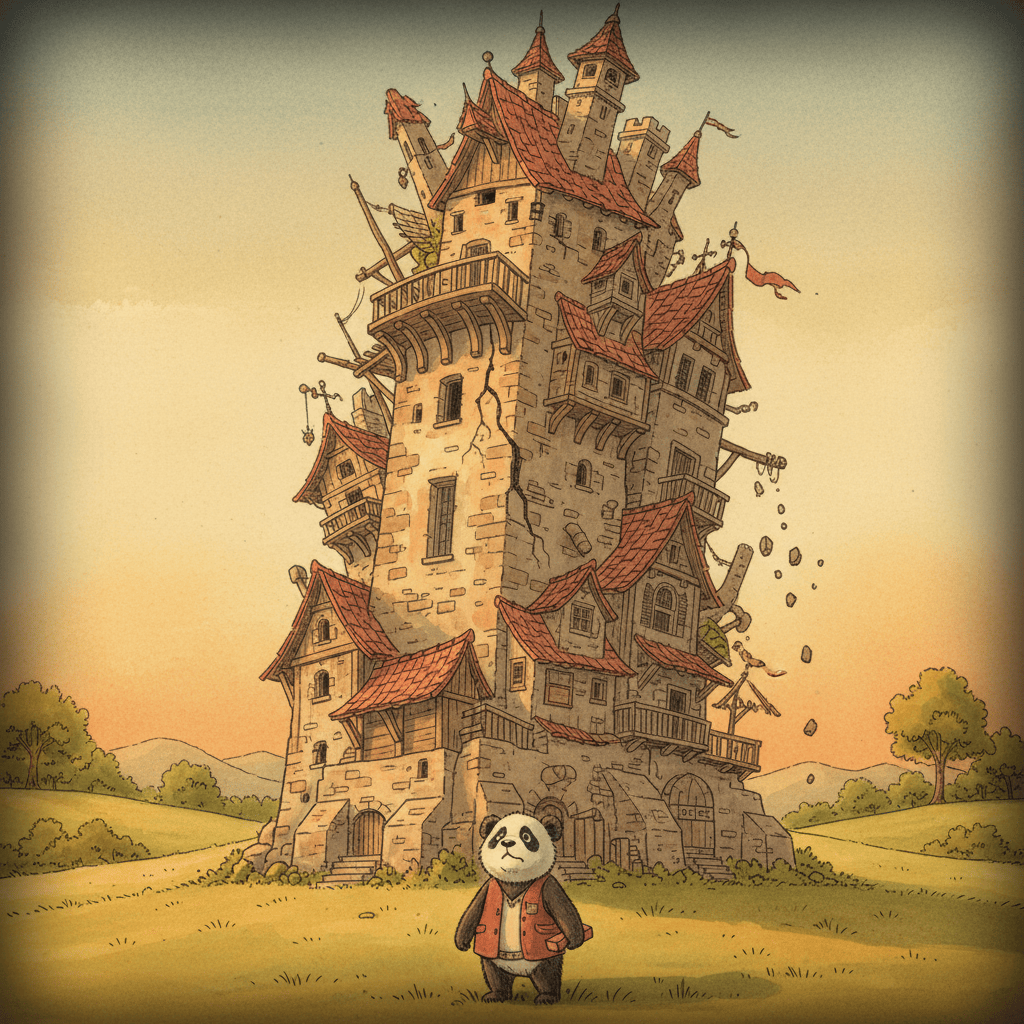
2007 — The claim that “the worst thing that can happen to a codebase is size” was a minority opinion when it ran. Over the following fifteen years “code is a liability, not an asset” drifted into mainstream engineering wisdom; the AI-coding era, with its runaway machine-generated duplication, handed it a second vindication.
- Coding Horror — “Size Is The Enemy” Dec 2007
- InfoQ Dec 2007
- Frans Bouma — the rebuttal Dec 2007
The Death of the Junior Developer

2024 — It became the reference point for the whole “are junior developers finished” argument that ran through tech YouTube, podcasts, and newsletters across the back half of the year — reacted to, rebutted, and read aloud far more widely than it was quietly agreed with.
- ThePrimeagen — live read-through Jul 2024
- Simon Willison Jul 2024
- Forrest Brazeal Aug 2024
- Hacker News Jun 2024
Good Agile, Bad Agile & Notes from the Mystery Machine Bus


2006 & 2012 — The pair that named an axis. Good Agile, Bad Agile drew an immediate reply from Coding Horror; six years later the Mystery Machine Bus mapped engineering culture onto a liberal-to-conservative political spectrum and sent Slashdot and Tim Bray arguing about where their own teams sat.
- InfoQ Sep 2006
- Coding Horror — Atwood’s reply Oct 2006
- Slashdot Aug 2012
- Tim Bray Aug 2012
The arguments that stuck: the craft
The other measure of an essay’s reach is how long people keep answering it. These ran for years — spawning reply essays, landing on syllabi, and turning into the tools and study plans built on top of them.
Get That Job at Google

2008 — A plain how-to that quietly became part of how a generation prepped for the interview it describes. It seeded coding-interview-university (~350,000 GitHub stars) and is still cited as interview-prep canon fifteen years on.
- coding-interview-university ongoing
- SD Times Oct 2016
- The Pragmatic Engineer Apr 2023
Execution in the Kingdom of Nouns

2006 — It started a small genre. Programmers answered the fable in kind, each crowning whichever language had since freed the verbs — Scala, then Swift. “The kingdom of nouns” entered the working vocabulary, the essay landed on course syllabi, and its parting question — why won’t Java add first-class functions? — was answered by Java itself eight years later.
The Next Big Language
2007 — Steve never named the language, so readers spent the better part of a decade naming it for him — re-scoring his six criteria against whatever had arrived since, with the favorite changing every few years from JavaScript to Go and back.
Math for Programmers

2006 — It reopened a perennial argument — how much mathematics a working programmer actually needs — and drew responses for years, from Jamie Zawinski to Jeff Atwood to a sequel that adopted its wiki-surfing self-teaching method wholesale.
- Jamie Zawinski Nov 2006
- Coding Horror Apr 2009
- Evan Miller — the dissent 2012
And more in the catalog
- Rich Programmer Food — its “if you don’t know how compilers work…” line opens a university compilers course as its motivating epigraph.
- The Universal Design Pattern — picked up by name in The Joy of Clojure (Manning), a chapter section built on the pattern.
- Rhino on Rails — an improvised Foo Camp aside became a week of “Google ports Rails to JavaScript” headlines across the trade press.
- Programming’s Dirtiest Little Secret — the touch-typing argument provoked rebuttals, extensions, and a typing tutor (gotypist) built to its spec.
The full reception trail for each piece — press, syllabi, reply essays, and reader threads — lives on its catalog page. For how this twenty-year read on engineering culture applies to an AI transformation, see the services →