Atlas · Podcasts
Podcasts
I love podcasts. You can really cut loose, and then edit out all the awkward stuff afterwards. Or not, just ship it.
Long-term, I'd like to transcribe all these and host them here. I probably repeat myself a lot in these episodes, so turning them into text would be a good way to find the unique bits. Maybe someday we'll do a director's supercut. Fun times!
Stage talks, roundtables, etc. live on the Talks page.
2026 · Gas Town era
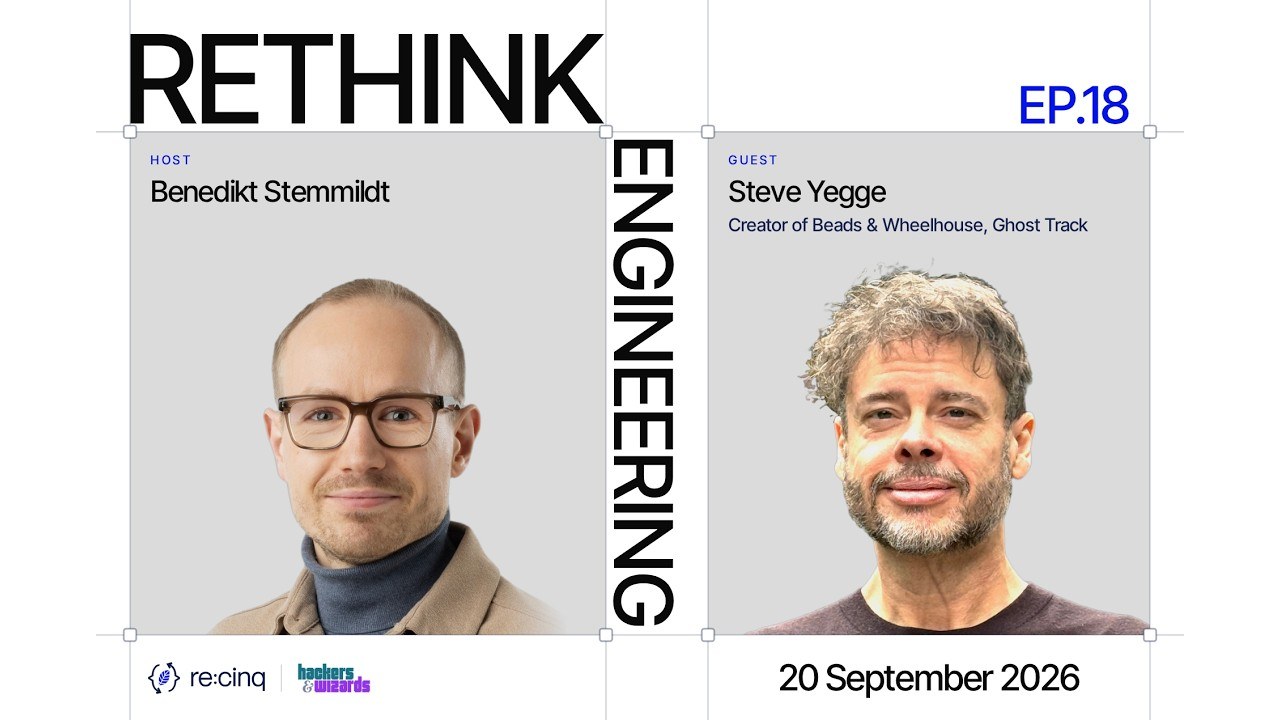
Benedikt Stemmildt
Inside Steve Yegge’s Software Factory: Lessons from Running 50 Agents →
What happens when a software factory gets sick. The agents, trying to make sure nothing could ever go wrong, added more than a hundred gates until nobody could do anything; a newer model came in like an outside consultant, cut about 40% of the system and kept fourteen fences. Also: why wrong beliefs written into docs keep coming back, why mechanical constraints beat appeals to common sense, and the 40% rule for code quality. Full transcript on the episode page; also on YouTube, Spotify and Apple Podcasts.
Dru Knox
You’ll Never Write Code the Same Way Again →
A walk through the software factory idea with Tessl's Dru Knox — where pair-programming with agents ends and factory territory begins, and what harness engineering looks like once you're writing code that makes agents do the work.
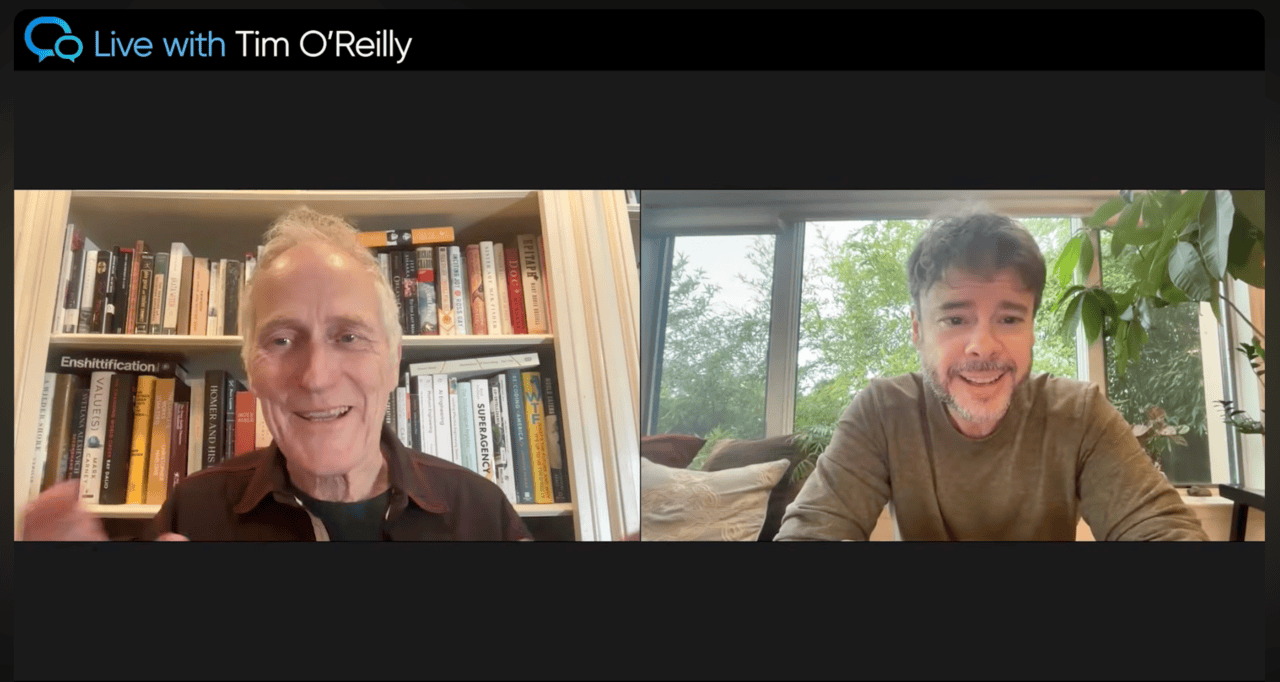
Tim O'Reilly
A Conversation with Computer Programmer Steve Yegge →
Wide-ranging conversation. Long form, not a talk-and-Q&A format. Tim's own Radar recap captures the gist in essay form.
Gergely Orosz
Second appearance with Gergely. Less biographical than the 2025 conversation; more about where the workflow goes next. Video on YouTube.
Scott Hanselman
Also on YouTube and Apple Podcasts. The framing essay The AI Vampire is in flight on Medium.
Kevin Ball
Gas Town, Beads, and the Rise of Agentic Development →
Also on Spotify. The technical case for memory-first agent tooling.
Leo Laporte, Jeff Jarvis & Paris Martineau
Gastown, Claude, and the Rise of AI Factories →
The Gas Town pitch to the TWiT audience. TWiT also ran a companion writeup; full video on YouTube.
Barry O'Reilly
Post-launch conversation on the workflow the book describes — Gene Kim joins partway through. Show lives on YouTube only.
2025 · Vibe Coding launch
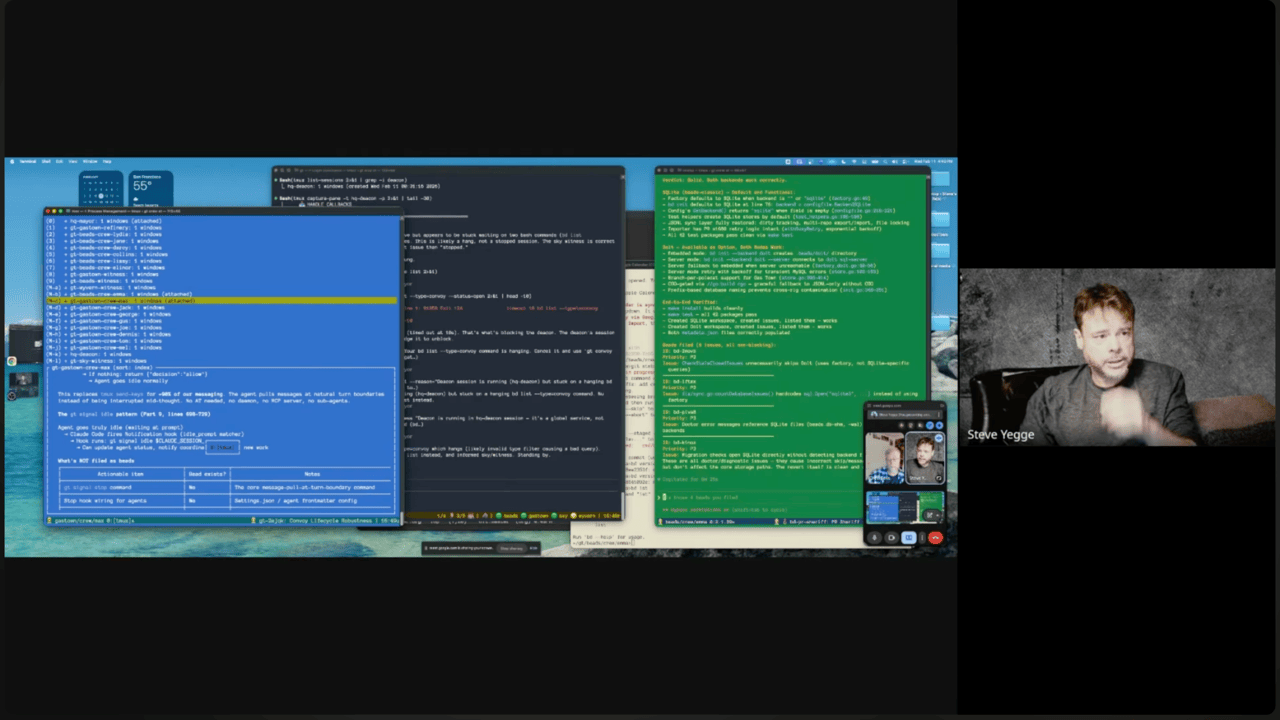
Chris Sells
Watch Steve Yegge use Jane Austen to run Gas Town →
Me actually using Gas Town on a real task. Hosted demo format, first episode of the Refinery series.
Swyx
Steve Yegge's Vibe Coding Manifesto: Why Claude Code Isn't It & What Comes After the IDE →
Also on YouTube. The long-form Latent Space treatment — Swyx pushes on the "what comes next" thesis hard.
Joe Heitzeberg
Steve Yegge on Agentic Coding, Beads, and the Future of AI Workflows →
Walks through Beads and the move from instruction-following to engineering-style work. Video on YouTube.
William Cheng
Stop writing code. Start reading it. →
On the shift from writing code to reviewing what agents write. Recorded September 2025; maestro.ai didn't publish until April 2026.
Nathan Sobo
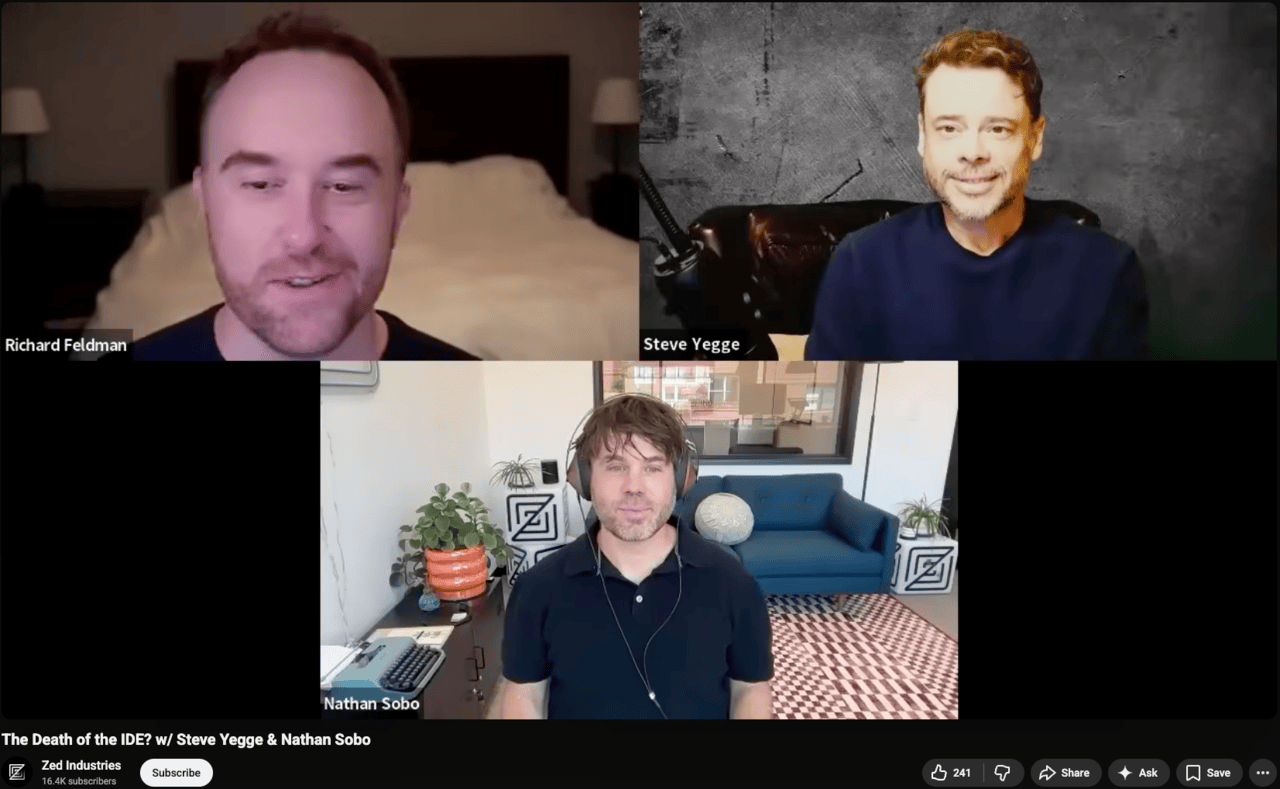
The Death of the IDE? w/ Steve Yegge & Nathan Sobo →
Long-form conversation with Zed's founder; Richard Feldman joins on the panel. The post-IDE thesis argued from inside an actively-maintained editor.
Gergely Orosz
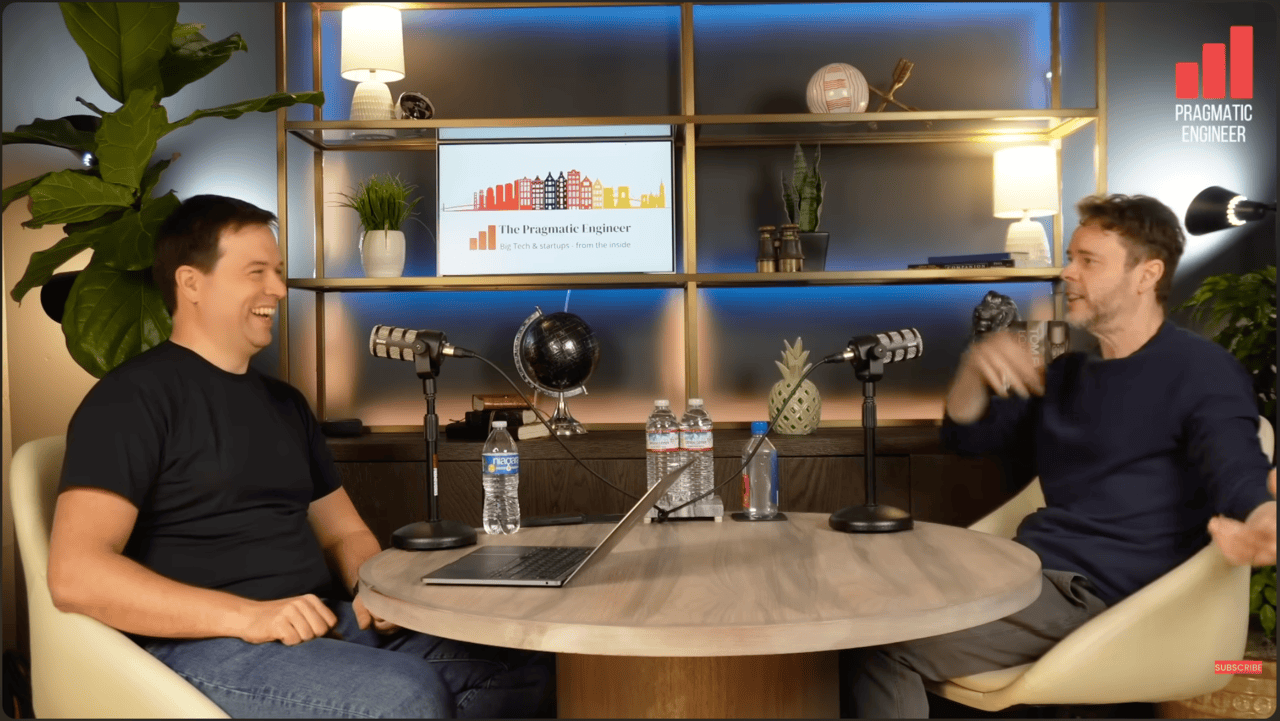
Amazon, Google and Vibe Coding →
The biographical pass — Amazon, Google, Grab, Sourcegraph, how the writing fits in. Video on YouTube.
Adam Stacoviak & Jerod Santo
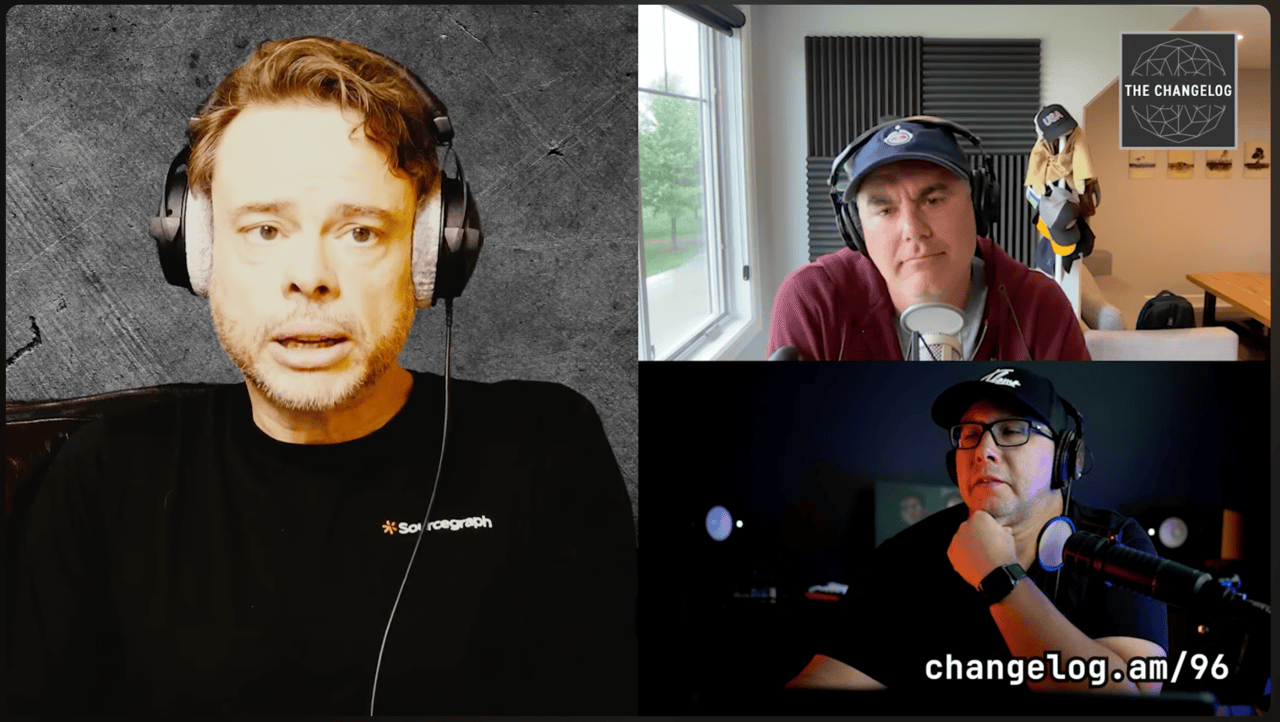
Productive vibe coding, the death of the IDE, babysitting AI agents →
Second appearance on the show, two years after #549. Mid-2025 conversation on agent supervision and the post-IDE workflow.
Steve Huynh
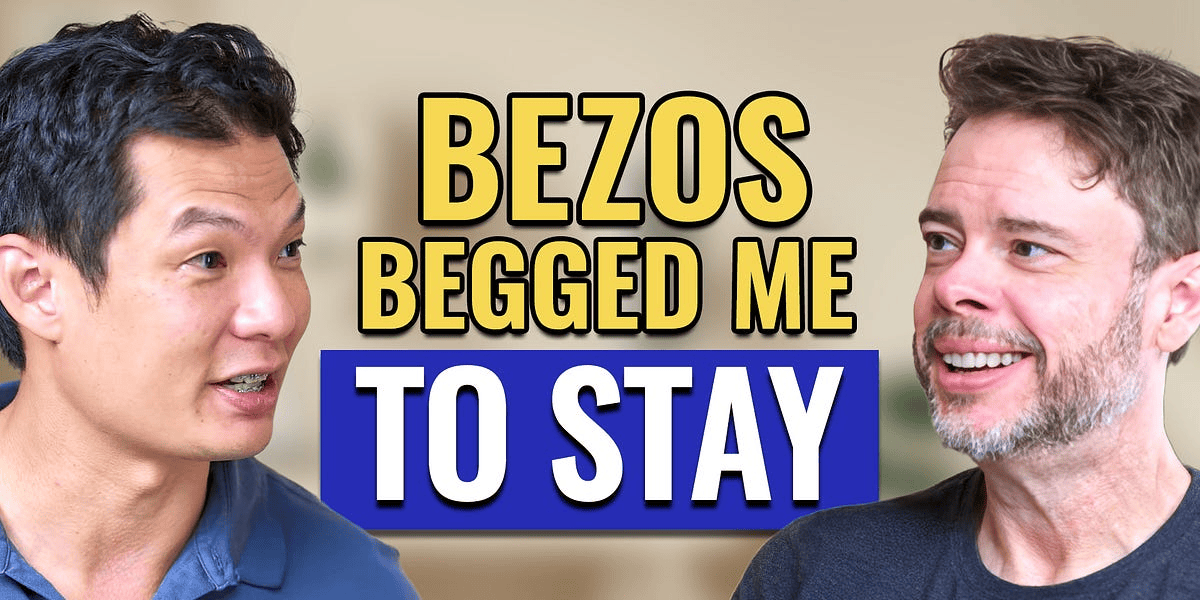
Vibe Coding Is the Only Future →
Also on YouTube. Engineer-to-engineer conversation with another long-tenured Amazon alum. Date approximate.
Ben Lorica
Vibe Coding with Steve Yegge →
The first long conversation with Ben, pre-book. The CHOP framing gets its first podcast outing. Originally aired on Ben's O'Reilly series on April 3; he then cross-posted it to his own Data Exchange newsletter three weeks later.
2023–2024 · Sourcegraph era
Beau Hamilton
The Evolution and Future of AI Coding: Sourcegraph →
Mid-Sourcegraph conversation on CHOP, AI coding workflows, the cultural gap between Amazon and Google, and what developers need to do to avoid getting left behind.
Ronak Nathani & Guang Yang
From "AI mid-life crisis" to the "time of my life" →
The personal arc — burnout, then the agentic-coding shift that made the work interesting again. Video on YouTube.
Adam Stacoviak & Jerod Santo
The long Sourcegraph-era origin story — Amazon, Google, Grab, and coming out of retirement for Cody. Full interview on YouTube.
2021 · Wyvern years
Kit Merker
Game over? Reliability in Gaming →
Interview with Nobl9's Kit Merker on reliability and SLOs seen from inside game development — war stories from running Wyvern.
2008 · Google era
Interviewer uncredited
Interview with Steve Yegge on Rhino on Rails and more →
Technical conversation about my internal Google port of Ruby on Rails to Mozilla Rhino — JavaScript on the JVM — which powered some internal Google systems at the time. 34k views, decent reach for 2008.